
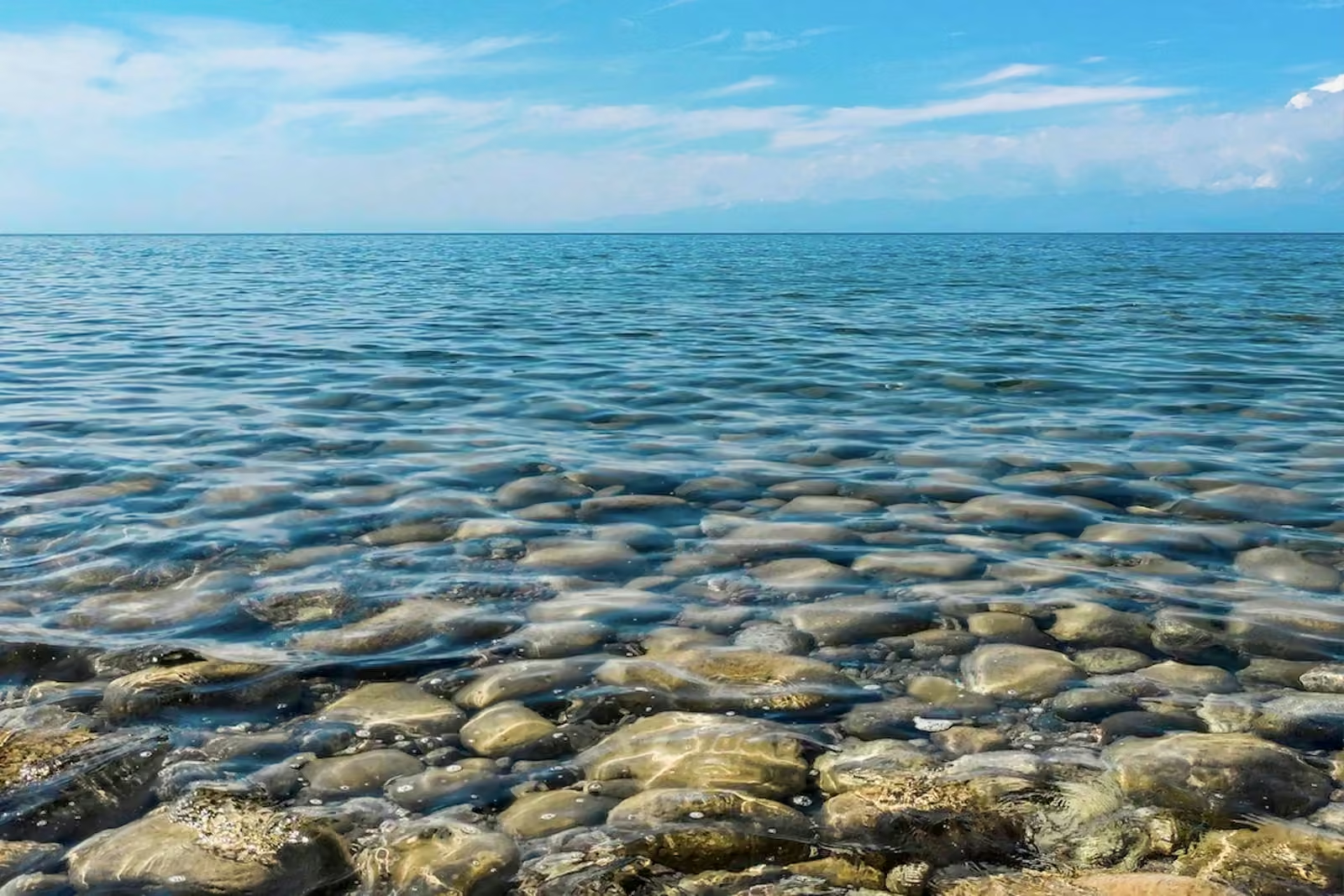
Lake Issyk-Kul: Kyrgyzstan’s Best Mountain Lake Holiday
Warm water beneath snow-capped peaks — the 182 km summer escape you haven’t discovered yet
182 km long · 668 m deep · Never freezes
Some links are affiliate links. We may earn a commission if you book — at no extra cost to you.
Issyk-Kul: Discover Kyrgyzstan’s Great Mountain Lake
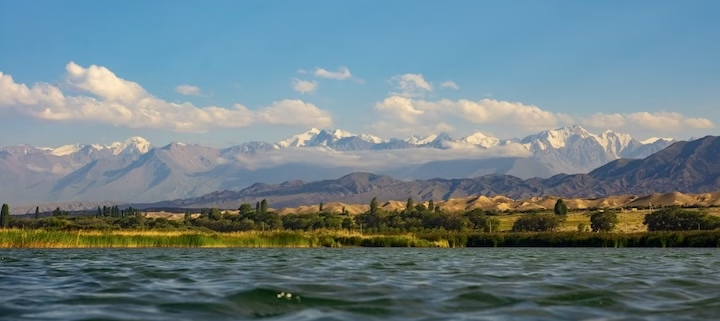
Issyk-Kul is one of the most spectacular destinations in Kyrgyzstan, surrounded by the snow-capped peaks of the Tian Shan mountains. The enormous lake is famous for its clear water, dramatic landscapes, beaches, mountain scenery and growing collection of hotels and resorts.
Whether you are planning a relaxing summer holiday, an adventure through the mountains, or a longer trip through Kyrgyzstan, Issyk-Kul offers an unusual combination of lake, mountains and authentic Central Asian culture.
Where Is Issyk-Kul?
Lake Issyk-Kul lies in northeastern Kyrgyzstan, a few hours’ drive from Bishkek. It is one of the world’s largest high-altitude lakes and stretches for 182 kilometres from west to east.
The lake is surrounded by the Tian Shan mountains, creating spectacular scenery almost everywhere you travel. The different shores also offer very different experiences, from busy beach resorts to quiet villages and mountain valleys.
About Issyk-Kul
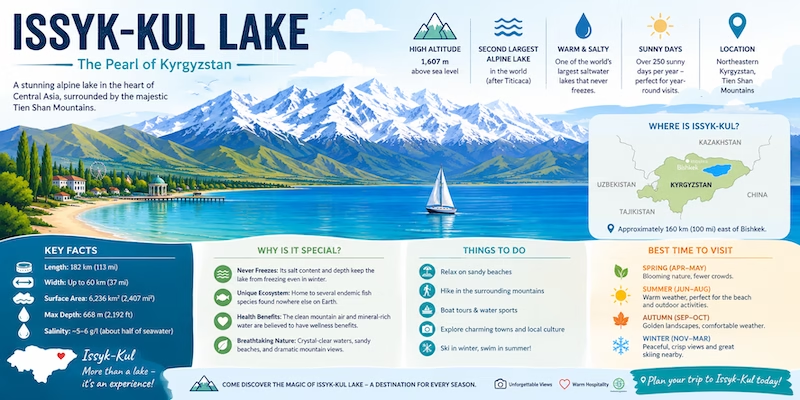
Lake Issyk-Kul sits in a mountain basin between the Kungey Ala-Too and Terskey Ala-Too ranges of the Tian Shan. It is the largest lake in Kyrgyzstan — 182km long, 668m deep, and 1,607m above sea level. The water is slightly saline and never freezes, even in winter at -10°C. In summer the surface reaches +24°C, warm enough for swimming from June through September.
The lake
A combination of low salinity, extreme depth, and warm underwater springs keeps Issyk-Kul liquid year-round. The lake is a UNESCO Biosphere Reserve, surrounded by peaks that stay snow-capped even in August. The contrast — warm water below, snow above — is what makes it unlike any other summer beach destination.
The four shores
Issyk-Kul has four distinct shores, each with a completely different character. Choosing the right one is the single most important decision for a visitor.
North Shore
Lively- Cholpon-Ata — tourist capital
- Bosteri — family attractions
- Tamchy — airport + quiet beaches
Sandy beaches, resorts, water parks, nightlife
Explore North Shore →South Shore
Wild- Bokonbaevo — culture + eagles
- Tamga — sanatoriums + scenery
- Tosor — Skazka Canyon
Rocky beaches, guesthouses, yurt camps, silence
Explore South Shore →West Shore
Transit- Balykchy — gateway to the lake
- Connects to Bishkek by road
- Not a beach destination
Transit town, first stop from the capital
Explore West Shore →East Shore
Adventure- Karakol — trekking + food
- Ala-Kul + Altyn-Arashan
- Jeti-Oguz + winter skiing
Mountains, gorges, hot springs — not a beach
Explore East Shore →Beyond the beach
The mountains around Issyk-Kul offer gorges, waterfalls, hot springs, and cultural sites. Grigoriev and Semenov gorges cut into the Kungey range to the north. Barskoon Gorge has waterfalls on the south side. Jeti-Oguz is famous for its red sandstone formations. Cholpon-Ata has an open-air petroglyph museum with rock carvings over 2,000 years old. Altyn-Arashan is a valley of natural hot pools at 2,600m, reached on foot or horseback from Karakol.
North vs South Shore
Choosing between the north and south shore is the single most important decision for any Issyk-Kul visitor — the two shores offer completely different experiences.
| Feature | North Shore | South Shore |
|---|---|---|
| Vibe | Lively, developed, touristy | Quiet, wild, secluded |
| Beaches | Sandy + sand-pebble, well-equipped | Rocky, pebbly, wild (some sandy coves) |
| Infrastructure | Hotels, resorts, cafes, water parks, nightlife | Guesthouses, yurt camps, homestays |
| Activities | Watersports, entertainment, family fun | Trekking, eagle hunting, yurt stays, horse riding |
| Prices | Higher | Lower |
| Crowds | Busy in summer (esp. Jul–Aug) | Sparse |
| Best for | Families, comfort, entertainment, watersports | Nature, culture, adventure, peace |
| Choose your shore | Explore North Shore | Explore South Shore |
Our Latest Articles about Issyk-Kul Lake
Things to Do
From swimming in warm summer waters to skiing powder in winter — Issyk-Kul packs year-round adventure into one lake.
Swimming & Water Sports
Swim in warm water up to +24°C (Jul–Aug). Kayaking, kiteboarding, SUP, sailing, jet skiing, pedal boats, and sunset cruises. Fishing for Issyk-Kul trout.
North & South ShoreHiking & Trekking
Explore Grigoriev, Semenov, Jety-Oguz, and Barskoon gorges. Multi-day Ala-Kul trek from Karakol. Mountain valleys, waterfalls, and high pastures.
All ShoresCultural Sites & Petroglyphs
Cholpon-Ata open-air petroglyph museum (2,000+ years old). Ruh Ordo cultural center. Ancient Turkic inscriptions. World Nomad Games.
North ShoreHorse Riding & Yurt Stays
Traditional Kyrgyz horseback riding through mountain valleys. Stay in yurt camps by the lake. Eagle hunting demonstrations at Bokonbaevo.
South ShoreHot Springs
Altyn-Arashan valley at 2,600m — natural pools reached on foot or horseback. Chon-Oruktu on the north shore. Tash-Suu and Ak-Bermet healing waters.
South & EastWinter Skiing
Karakol ski base — the best skiing in Kyrgyzstan. Powder snow, mountain runs. Combine with hot springs and a quiet, frozen lake.
Karakol (East)Best Time to Visit
Issyk-Kul sits at 1,607m altitude with 2,670–2,880 hours of sunshine per year — more than Crimean resorts. Summers are warm and dry with afternoon thunderstorms; winters are cold but never freeze the lake. Weather changes fast: sunshine to rain and back within hours. Pack layers, even in July.
Spring
Mar · Apr · MayWildflowers, hiking lower trails, hot springs. Shores are quiet, mountain views are crisp. Water too cold for swimming.
Summer
Jun · Jul · AugPeak swimming season. Warm water, all infrastructure open, watersports in full swing. Book 1–2 months ahead for Jul–Aug.
Autumn
Sep · Oct · NovRoad trips, photography, hiking. Empty beaches, mild September days. Snow-dusted peaks by October. Water cooling fast.
Winter
Dec · Jan · FebSkiing at Karakol — best powder in Kyrgyzstan. Hot springs, frozen lake views, deep quiet. Most hotels closed.
Lake Map
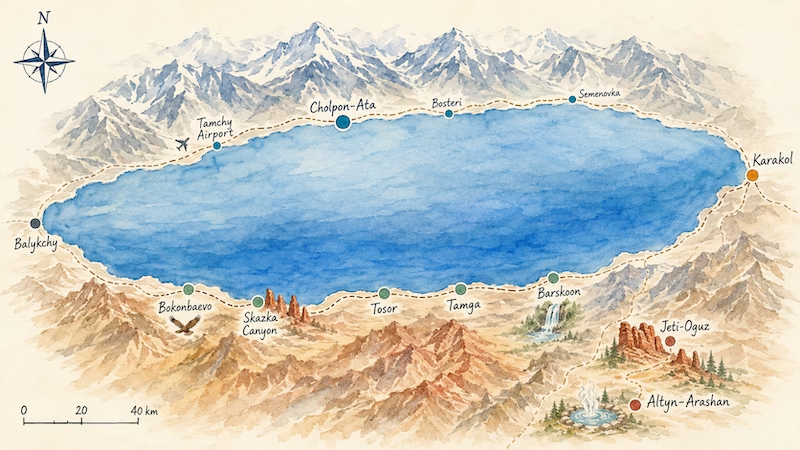
Issyk-Kul stretches 182km west to east and up to 60km north to south, ringed by the Kungey Ala-Too range to the north and the Terskey Ala-Too range to the south. Use this map to orient yourself before choosing a shore.
Getting There
How you get to Issyk-Kul depends on season, budget, and how freely you want to explore. Most visitors arrive by road from Bishkek — the question is how.
By Air
Issyk-Kul International Airport sits at Tamchy on the north shore, about 35km from Cholpon-Ata. Flights arrive from Novosibirsk, Almaty, and Osh, but schedules are seasonal — always verify with airlines before booking.
From Bishkek
A marshrutka (minibus) leaves Bishkek’s Western Bus Station and takes about 4 hours to Cholpon-Ata — the cheapest option — or 6 to 7 hours to Karakol. The road arrives at Balykchy, the western gateway. A seasonal summer train from Bishkek to Balykchy takes about 5 hours: cheap and scenic. A taxi covers 270km in about 3 hours — the fastest but most expensive option.
Getting Around the Lake
A rental car is the best way to explore both shores independently. The northern route has better public transport connectivity; the southern route from Balykchy to Karakol is about 225km with limited buses, so a car or hired driver is recommended. Shared taxis and minibuses also operate, but the complete lake circuit works best with a rental car or organized tour.
Insider Tips
A few practical essentials that make the difference between a smooth trip and a frustrating one at 1,607m altitude.
Cash Is King
Bring Kyrgyz som. Card acceptance is limited outside major hotels in Cholpon-Ata and Karakol. Guesthouses, yurt camps, and village restaurants are cash-only.
Pack Layers
Warm by the lake, cold in the mountains. Weather changes fast — sunshine to rain and back within hours. Pack layers even in July, and a warm jacket for evenings.
Protect against the Sun
At 1,607m altitude, UV is strong even on cloudy days. Protect yourself properly — sunburn happens faster than you expect at this elevation.
Book Ahead for July–August
Peak season fills up fast. Book 1–2 months in advance, especially on the north shore (Cholpon-Ata, Bosteri). South shore guesthouses are more flexible but still reserve early in August.
Download Offline Maps
Cell signal drops on the south shore, in gorges, and mountain valleys. Download offline maps in Maps.me or Google Maps before leaving Bishkek — especially for south shore roads.
A warm lake that never freezes, ringed by snow-capped peaks. On the north shore, resorts hum with families, water parks, and summer crowds. On the south, wild shoreline stretches past red canyons and yurt camps where the loudest sound is the wind. Two shores, one lake — and the choice you make defines everything about your stay.
— stayissykul.com
Frequently Asked Questions
Can you swim in Lake Issyk-Kul?
Yes. The main swimming season is July and August when water temperatures reach up to +24°C. June and September are possible but cooler. The lake never freezes despite its 1,607m altitude.
Is the water warm enough for swimming?
Yes, in July and August the water reaches up to +24°C — comfortable for long swims. Outside peak months it cools quickly. The slightly saline water and warm springs prevent freezing year-round.
Which shore should I choose?
North shore for families, comfort, sandy beaches, and watersports. South shore for nature, culture, adventure, and peace — rocky beaches, yurt camps, and dramatic canyons. Two completely different experiences.
How do I get from Bishkek to Issyk-Kul?
Marshrutka (minibus) takes about 4 hours to Cholpon-Ata — the cheapest option. A seasonal summer train takes about 5 hours to Balykchy. A taxi covers 270km in about 3 hours — the fastest.
Do I need a visa for Kyrgyzstan?
Many nationalities do not need a visa for Kyrgyzstan, but requirements vary. Check the latest rules for your country before booking your trip.
Is it safe to swim in Issyk-Kul?
Yes, on marked beaches. Don’t swim far in wind — weather changes rapidly at altitude. Use designated swimming areas and follow local advice.
When is the best time to visit?
July and August for warm water and full infrastructure — but also the biggest crowds. Shoulder months (May, June, September) offer fewer crowds, cheaper prices, and mild weather.
Are credit cards accepted?
In major hotels in Cholpon-Ata and Karakol, yes. Elsewhere, cash is king — bring Kyrgyz som. Guesthouses, yurt camps, and village restaurants are cash-only.
Latest Articles
Stories from the shores of Lake Issyk-Kul
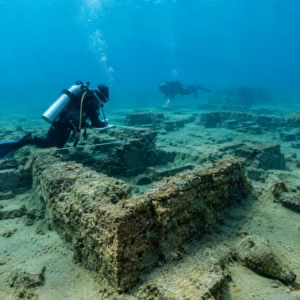
Divers Mapped a Sunken Medieval City at Lake Issyk-Kul
Divers Mapped Streets, Buildings and a Muslim Cemetery Beneath Kyrgyzstan's Largest Lake — and UNESCO Has Offered to Send Scientists Somewhere in the northwestern waters…
Read more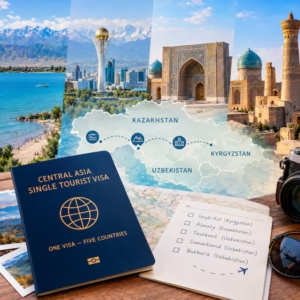
Central Asia’s Single Visa: One Application Could Link Issyk-Kul Beaches to Samarkand
No working group or timeline exists yet. Here's what one regional visa could actually change for a beach-and-Silk-Road trip. A swim in Lake Issyk-Kul in…
Read more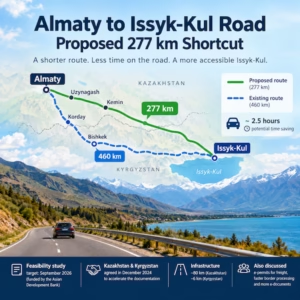
Almaty to Issyk-Kul Could Get a 277-Kilometre Shortcut
Transport Minister Talantbek Soltobaev has proposed completing the feasibility study for an alternative route through Uzynagash and Kemin, cutting the drive from 460 kilometres to…
Read morePlan Your Issyk-Kul Holiday
Two shores, one warm lake. Pick your side and start exploring.